Crispy Puerto Rican Beef Pastelillos (Fried Empanadas) with Picadillo filling

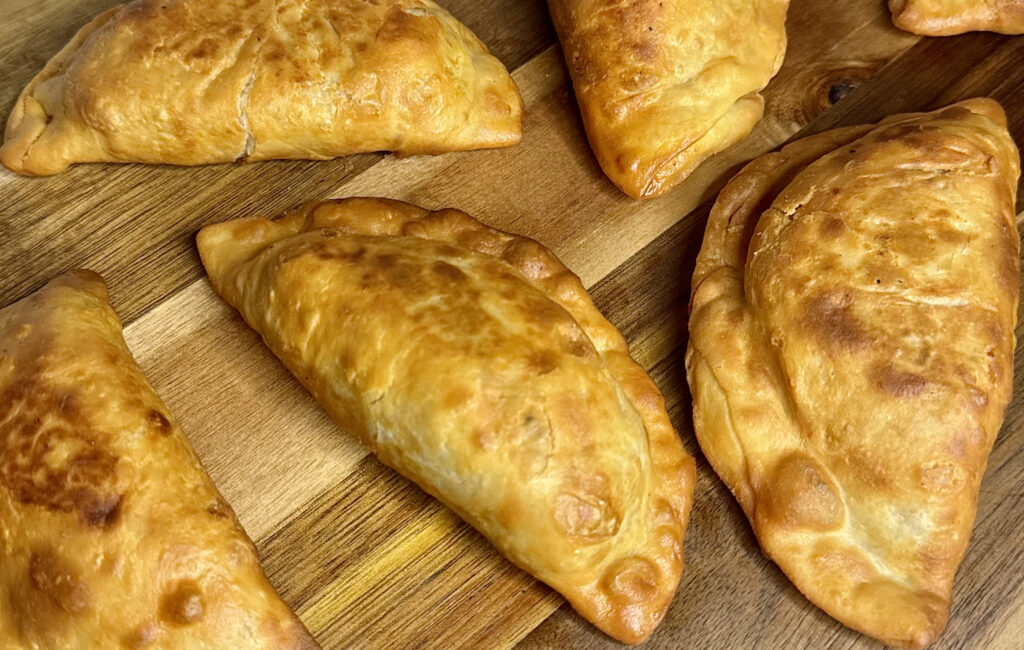
These Crispy Puerto Rican Beef Pastelillos (Fried Empanadas) with Picadillo filling are a family favorite inspired by my mom’s recipe. Growing up in a Mexican Puerto Rican household, pastelillos were definitely a staple in our home, and this was one of my favorite ways to enjoy them. My mom loves making these, and they’ve always been one of those recipes that bring everyone to the kitchen—everyone who tries them seems to love them!
The homemade dough is filled with savory picadillo made with seasoned grass-fed beef, potato, bell pepper, onion, garlic, and tomato sauce. The pastelillos can be fried in ghee until golden and crisp or baked until golden, giving you two different ways to enjoy this comforting family recipe.
These homemade beef pastelillos are perfect for family gatherings, parties, holidays, or whenever you’re craving a flavorful Puerto Rican-inspired empanada. If you’re looking for a homemade pastelillo recipe filled with flavorful beef picadillo, this recipe is a must-try.
Why You’ll Love These Pastelillos?
These pastelillos combine a homemade buttery dough with a flavorful beef and vegetable filling, creating a comforting recipe that’s perfect for sharing.
- A Family Favorite – This recipe is inspired by my mom’s version and is connected to the Mexican Puerto Rican food traditions I grew up with.
- Homemade From Scratch – Both the dough and picadillo filling are made from scratch, allowing you to choose the ingredients that go into your meal.
- Flavorful Picadillo Filling – Grass-fed beef, potato, peppers, onion, garlic, tomato, and warm spices come together for a savory and satisfying filling
- Two Cooking Options – You can fry the pastelillos in ghee for a crispier finish or bake them for a lighter preparation.
- Made With Quality Ingredients – I use ingredients like organic flour and vegetables, grass-fed beef, and ghee because choosing quality ingredients is an important part of how I approach cooking.
- Perfect for Sharing – These are especially fun to make for family gatherings, parties, and celebrations because everyone can grab one and enjoy them together.
What’s in these Pastelillos?
This recipe uses simple ingredients to create a homemade dough and a flavorful picadillo filling. Each ingredient contributes something different, from the protein and vegetables in the filling to the fats and carbohydrates that make these pastelillos satisfying and delicious.
Homemade Pastelillo Dough:
1. Organic Unbleached All-Purpose Flour
Flour creates the structure of the pastelillo dough and gives it the sturdy texture needed to hold the filling. Choosing an unbleached flour allows you to use a minimally processed ingredient while still creating the tender dough this recipe needs.
2. Sea Salt
Salt enhances the flavor of the dough and helps bring out the flavors of the filling. Sodium is an essential electrolyte involved in fluid balance, nerve signaling, and muscle function.
3. Unsalted Butter
Cold butter creates tenderness and richness in the homemade dough while helping produce its flaky texture. Butter provides fat and fat-soluble vitamins in small amounts, while also adding satisfying flavor.
4. Organic Pasture-Raised Egg
The egg helps bind the dough together and contributes structure and richness. Eggs provide high-quality protein along with nutrients such as choline, vitamin B12, and selenium.
5. Cold Water
Water brings the dough ingredients together and helps create the proper consistency. Using cold water helps keep the butter firm while the dough is formed, which contributes to the final texture.
6. Fresh Lime Juice or White Vinegar
A small amount of lime juice or vinegar adds acidity to the dough and helps create a more tender texture. Lime juice also contributes a small amount of vitamin C when used.
Picadillo Filling:
7. Grass-Fed Ground Beef
Ground beef provides the protein base for the picadillo and gives the filling its savory flavor. Beef is a rich source of protein, iron, zinc, and vitamin B12, which support muscle function, oxygen transport, immune function, and normal energy metabolism.
8. Ghee
Ghee is used to sauté the vegetables and brown the beef, adding rich, buttery flavor to the filling. It is a concentrated cooking fat, so a small amount can provide plenty of flavor while helping the ingredients sauté and brown properly.
9. Organic Yellow Onion
Onion adds natural sweetness and savory depth to the picadillo. It also provides small amounts of fiber and naturally occurring plant compounds such as quercetin.
10. Organic Bell Pepper
Bell pepper adds sweetness, color, and freshness to the filling. Bell peppers are a good source of vitamin C and provide a variety of antioxidant plant compounds.
11. Organic Garlic
Garlic adds savory depth and helps build the foundation of flavor in the picadillo. Garlic contains sulfur-containing compounds and naturally occurring antioxidant plant compounds.
12. Golden Potato
Potato makes the picadillo more hearty and adds a naturally creamy, tender texture once cooked. Potatoes provide carbohydrates for energy along with potassium and some vitamin C.
13. Organic Tomato Sauce
Tomato sauce brings moisture, acidity, and natural sweetness to the picadillo while helping create its rich consistency. Tomatoes provide vitamin C, potassium, and lycopene, a naturally occurring carotenoid.
14. Beef Broth
Beef broth adds moisture and savory flavor while allowing the potatoes to cook directly in the picadillo. It also helps create the flavorful consistency needed for the filling without requiring a large amount of additional fat.
15. Adobo Seasoning
Adobo provides the classic savory seasoning that brings the picadillo together. Because seasoning blends can vary in sodium, you can adjust the additional salt in the recipe according to the specific adobo you use.
16. Ground Cumin
Cumin contributes a warm, earthy flavor that works especially well with the beef and vegetables. It also contains naturally occurring plant compounds and small amounts of minerals such as iron.
17. Dried Oregano
Oregano adds an earthy herbal note to the filling and complements the other spices. Herbs such as oregano contain naturally occurring antioxidant plant compounds.
18. Paprika
Paprika adds subtle sweetness, color, and mild pepper flavor to the picadillo. It also contributes naturally occurring carotenoids and other plant compounds found in peppers.
19. Black Pepper
Black pepper adds gentle heat and enhances the flavors of the beef and spices. It contains piperine and other naturally occurring plant compounds.
For Frying:
20. Ghee
Ghee is used to fry the pastelillos and helps create their golden exterior and rich flavor. Because frying requires a substantial amount of cooking fat, it’s best to maintain the proper temperature so the pastelillos cook efficiently without absorbing excessive oil.
For Baking:
21. Organic Pasture-Raised Egg
The beaten egg is brushed over the pastelillos before baking to help the dough develop a golden finish. It also adds a small amount of protein and other nutrients to the exterior of the pastry.
Note: I use some organic ingredients, but it’s not required. You can learn more about organic produce and pesticide levels here. Feel free to use what works best for you!
Health Benefits of Pastelillos
These pastelillos are a traditional comfort food, and my approach isn’t about labeling every recipe as “healthy” or avoiding foods simply because they’re indulgent. Instead, I focus on using quality ingredients and creating meals that can be enjoyed as part of an overall balanced diet.
1. Protein & Satiety
The grass-fed beef and egg provide protein throughout the recipe. Protein helps maintain and repair body tissues while also contributing to feelings of fullness after eating.
2. Iron & Vitamin B12
Beef provides highly bioavailable heme iron along with vitamin B12. These nutrients play important roles in red blood cell production, oxygen transport, and normal nervous-system function.
3. Vegetable Variety
Onion, bell pepper, garlic, and tomato add several different plant foods to the picadillo. Including a variety of vegetables is an easy way to increase your intake of vitamins, minerals, fiber, and naturally occurring plant compounds.
4. Potassium & Carbohydrates
The golden potato contributes carbohydrates that provide energy along with potassium. Pairing carbohydrates with protein and fat makes the filling more satisfying and substantial.
5. Quality Cooking Fats
I use ghee for the picadillo and frying because it fits my preference for cooking with fats I intentionally choose. As with any concentrated fat, portion and overall dietary pattern matter more than treating one cooking fat as inherently healthy for everyone.
6. Homemade Ingredients
Making the dough and picadillo yourself gives you more control over the ingredients and seasonings used. For me, that is an important part of cooking nourishing meals—knowing what goes into the food I’m serving my family.
Serving Suggestions
Pastelillos are delicious on their own, but a few fresh sides can round out the meal.
- Fresh Salsa – A bright homemade salsa adds acidity and fresh vegetables that balance the richness of the pastelillos.
- Guacamole – Creamy avocado pairs beautifully with the savory beef filling while adding fiber and monounsaturated fats.
- Mexican Rice – Serve them alongside homemade Mexican rice for a comforting, filling meal with an additional carbohydrate source. Find my Mexican Rice recipe here!
- Simple Salad – A fresh green salad adds more vegetables and fiber while providing a refreshing contrast to the warm pastelillos.
- Fresh Lime – A squeeze of lime over the pastelillos adds acidity and brightens the savory flavors of the beef and spices.
- Sour Cream or Crema – A small amount of sour cream or Mexican crema provides a cool, creamy contrast to the seasoned filling.
Storage Tips
Store the cooked pastelillos separately from any toppings or sauces for the best texture.
- Refrigeration: Store cooled pastelillos in an airtight container in the refrigerator for up to 3–4 days. Place parchment between layers if stacking them.
- Freezing: Uncooked assembled pastelillos can be frozen on a baking sheet before transferring them to a freezer-safe container or bag. Cooked pastelillos can also be frozen for up to 2–3 months.
- Reheating: Reheat refrigerated pastelillos in a 350°F oven or air fryer until heated through and the exterior has regained some crispness. Avoid microwaving when possible, as it can make the dough soft.
Ingredient Substitutions & Variations
There are a few easy ways to adjust these pastelillos while keeping the same overall recipe.
- Ground Beef: Ground turkey or ground chicken can be substituted for beef, although the filling will have a lighter flavor.
- Golden Potato: Yukon Gold or another waxy yellow potato works well. Russet potato can also be used, but the texture may be slightly different.
- Ghee: Avocado oil can be used for sautéing the picadillo if preferred. If frying, use a cooking fat appropriate for the high temperature required.
- Butter: You can substitute another solid butter or baking fat in the dough, although the texture and flavor may vary.
- Lime Juice: White vinegar can be used in the dough instead of lime juice.
- Bell Pepper: Use any color bell pepper you enjoy. You can also add additional finely diced vegetables if you’d like.
- Spice Level: Add a little cayenne or finely diced jalapeño to the picadillo if you prefer more heat.
- Baking Instead of Frying: If you prefer not to fry, use the baking method for a lighter preparation.
Common Mistakes to Avoid
A few small details make a big difference when making homemade pastelillos.
- Using Warm Filling: Always let the picadillo cool completely before filling the dough. Warm filling can soften the dough, make it harder to seal, and increase the chance of the pastelillos opening while cooking.
- Making the Dough Too Thick: Roll each dough portion thin enough to cook properly but thick enough to hold the filling without tearing. Dough that’s too thick can leave you with a doughy center.
- Overfilling the Pastelillos: Start with about 2–3 tablespoons of filling and adjust according to the size of your dough disc. Too much filling can make the edges difficult to seal.
- Leaving Air Around the Filling: Gently press around the filling before sealing to remove excess air. This helps create a more secure seal.
- Not Sealing the Edges: Firmly press and crimp the edges with a fork to help prevent the filling from escaping during cooking.
- Making the Picadillo Too Watery: Allow excess liquid to cook off before removing the filling from the stove. The picadillo should be moist and flavorful, but not watery.
- Overcrowding the Pan: When frying, cook only a few pastelillos at a time. Overcrowding can cause the temperature of the ghee to drop and affect how the dough cooks.
- Frying at the Wrong Temperature: Aim for approximately 350°F when frying. If the ghee is too cool, the pastelillos can absorb more fat; if it’s too hot, the exterior can brown before the dough is properly cooked.
- Over-Browning the Dough: Keep an eye on the pastelillos while frying. You want the exterior golden and cooked through rather than excessively dark.
Frequently Asked Questions (FAQ)
Here are some of the most common questions you may have when making homemade Puerto Rican pastelillos.
What are pastelillos?
Pastelillos are a popular Puerto Rican fried pastry made with a thin dough and a savory filling, often picadillo. They’re similar to empanadas and can be filled with different meats, cheeses, or other ingredients.
Can I bake these pastelillos instead of frying them?
Yes! You can bake the assembled pastelillos at 375°F for about 20–25 minutes, or until golden and cooked through. Brushing them with beaten egg before baking helps give the dough a beautiful golden finish.
Why does my pastelillo dough need to chill?
Chilling allows the butter in the dough to firm back up and makes the dough easier to roll and shape. It also helps the pastelillos hold their shape when filled and cooked.
How thin should I roll the pastelillo dough?
The dough should be thin enough to cook properly but thick enough to securely hold the filling without tearing. If the dough is too thick, the pastelillos can become overly doughy and may not cook properly in the center.
Why does the picadillo need to cool before filling?
The picadillo should be completely cooled before filling the dough. Hot or warm filling can soften the dough, make it difficult to work with, and increase the chance of the pastelillos opening while cooking.
How do I keep my pastelillos from opening while frying?
Avoid overfilling them and make sure the edges are firmly sealed. Press out excess air around the filling before sealing, then crimp the edges securely with a fork.
Can I make the dough ahead of time?
Yes. The homemade dough can be wrapped tightly and refrigerated for up to 2 days before using. Let it sit for a few minutes at room temperature if it becomes too firm to roll.
Can I freeze homemade pastelillos?
Yes. Assemble the pastelillos, then freeze them in a single layer until firm before transferring them to a freezer-safe container or bag. You can cook them from frozen, although they may require additional cooking time.
What temperature should the ghee be for frying?
Aim for approximately 350°F. Maintaining the proper temperature helps the pastelillos cook evenly and develop a golden exterior without becoming overly greasy.
What can I serve with pastelillos?
Pastelillos are delicious on their own but can also be served with a fresh salad, avocado, salsa, or your favorite dipping sauce. They also make a great addition to a family-style meal or appetizer spread.
Crispy Puerto Rican Beef Pastelillos
Ingredients
- 2½ cups organic unbleached all-purpose flour
- 1 tsp salt
- ½ cup cold unsalted butter, cubed
- 1 large egg
- ⅓ cup cold water
- 1 tbsp fresh lime juice or white vinegar
- 1 lb grass-fed ground beef
- 1 tbsp ghee
- ½ small organic yellow onion finely diced
- ½ organic bell pepper any color, finely diced
- 2 cloves organic garlic minced
- ½ organic golden potato peeled and diced into small ¼-inch cubes
- ½ cup tomato sauce
- ½ cup beef broth
- 1½ tsp adobo seasoning
- 1 tsp ground cumin
- ½ tsp dried oregano
- ½ tsp paprika
- ¼ tsp black pepper
- Salt to taste
- Ghee enough to fill your pan approximately 1½–2 inches deep
- For Baking
- 1 egg beaten, for brushing
Instructions
- Add the flour and salt to a large mixing bowl and whisk to combine.
- Add the cold cubed butter. Using your fingers or a pastry cutter, work the butter into the flour until the mixture resembles coarse crumbs with some small pieces of butter remaining.
- In a separate bowl, whisk together the egg, cold water, and fresh lime juice or white vinegar.
- Gradually add the wet mixture to the flour while stirring until a dough begins to form.
- Transfer the dough to a lightly floured surface and knead gently for 1–2 minutes, just until smooth.
- Form the dough into a ball and wrap tightly in plastic wrap.
- Refrigerate for at least 30 minutes. The dough can be refrigerated for up to 2 days.
- Heat 1 tablespoon ghee in a large skillet over medium heat.
- Add the diced onion and bell pepper. Cook for 3–4 minutes, until softened.
- Add the garlic and cook for about 30 seconds, until fragrant.
- Add the ground beef and break it apart. Cook until browned and completely cooked through.
- Add the diced golden potato and stir into the beef.
- Add the tomato sauce, beef broth, adobo, cumin, oregano, paprika, and black pepper. Stir well.
- Bring the mixture to a gentle simmer.
- Cover and cook for 12–15 minutes, stirring occasionally, until the potatoes are fork-tender.
- Remove the lid and continue cooking for another 3–5 minutes, allowing excess liquid to reduce. The picadillo should be moist and flavorful but not watery.
- Taste and adjust the seasoning and salt as needed.
- Remove the picadillo from the heat and let it cool completely before filling the pastelillos. Warm or hot filling can soften the dough, make it difficult to work with, and cause the pastelillos to open while cooking.
- Remove the chilled dough from the refrigerator and divide it into as many portions as the number of pastelillos you want to make.
- Roll each portion into a ball.
- Working with one dough ball at a time, flatten it with your hands or roll it out with a dough roller until you have a round disc in your desired size.
- Keep each dough disc relatively thin—just thick enough to hold the filling without tearing. Avoid making the dough too thick, as this can result in an overly doughy pastelillo that doesn’t cook properly.
- Place approximately 2–3 tablespoons of completely cooled picadillo in the center of each disc, adjusting the amount according to the size of your pastelillo.
- Fold the dough over the filling to create a half-moon.
- Gently press around the filling to remove excess air, then firmly seal the edges.
- Crimp the edges with a fork to ensure they are securely sealed.
- Repeat with the remaining dough and filling.
- Add enough ghee to a deep skillet or heavy-bottomed pan to reach approximately 1½–2 inches deep.
- Heat the ghee to 350°F over medium to medium-high heat.
- Carefully place 2–3 pastelillos into the hot ghee, making sure not to overcrowd the pan.
- Fry for approximately 2–3 minutes per side, or until golden brown and cooked through.
- Remove with tongs or a slotted spoon and place on a wire rack or paper towel-lined plate to drain.
- Allow them to cool for a few minutes before serving.